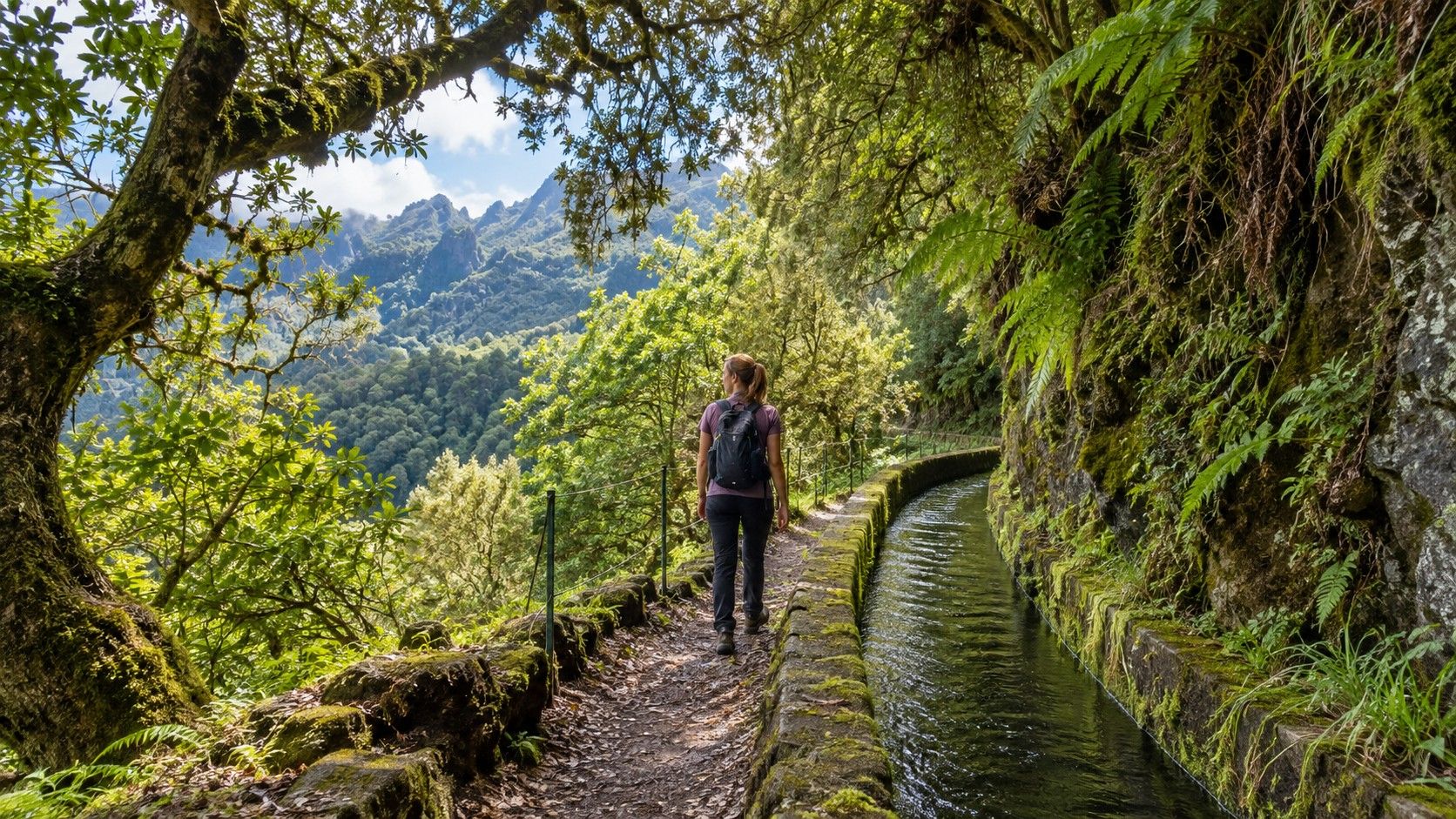
A first levada walk can be a calm introduction to Madeira hiking, but the word ‘easy’ needs translating before you put it into a day plan. A path beside an irrigation channel may be mostly level and still include a wet tunnel, a narrow section without much room to pass, or a finish far from the car. Choose the day for the whole experience—getting there, walking steadily, and getting back—rather than for the smallest distance printed beside a route name.
Start by defining what easy means for your group
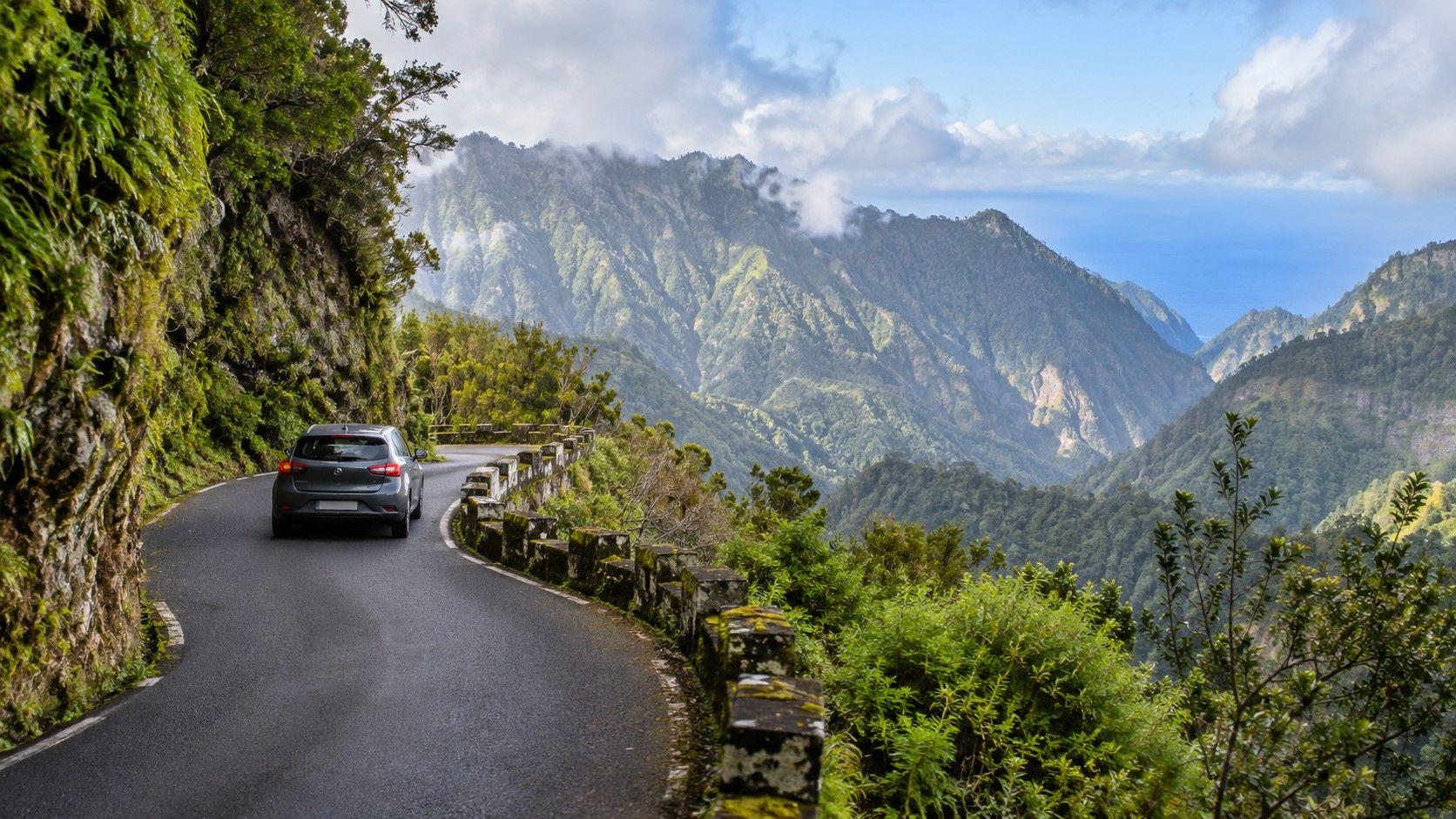
For many visitors, an easy levada walk means no sustained climb and a firm surface. That is useful, but it misses the parts that make people turn around. Someone comfortable on a city footpath may dislike a path with a drop on one side; another person may be happy with that exposure but become uneasy in a long, dark tunnel. Children, a nervous walker, and a traveller who has hired a small car all need a slightly different version of an easy day.
Write down the limiting factor before comparing routes. It might be a maximum of two or three hours on foot, no tunnel, reliable parking, or a place where stopping for a snack does not block the path. Madeira’s terrain changes quickly, and a route that is gentle underfoot can feel demanding when clouds make the stone slippery. A sensible first outing leaves enough energy to drive back safely rather than treating tired legs as proof of a successful hike.
Read route notes beyond the distance and elevation
Levada do Furado near Ribeiro Frio is often mentioned when people ask about madeira levada walks beginners can enjoy. The wooded setting and largely level channel-side walking explain the appeal. Still, it works best when you decide in advance whether you are doing a short out-and-back section or arranging a longer point-to-point day. The latter changes the practical question from ‘Can we walk it?’ to ‘Where will the car and passengers meet afterwards?’
Queimadas, on the Santana side, gives a different kind of information problem. It is easy to be drawn in by photographs of lush forest and forget to check the return distance. A route can be straightforward for its first hour and become less convenient once the weather turns or a slower companion is ready to stop. Use the turnaround point as part of the route, not as a disappointment. On a first levada walk, returning from a pleasant section is often better than forcing the named endpoint.
Descriptions also flatten surfaces into one word: trail. Look for clues about steps, damp leaves, low headroom, railings, and whether passing another group requires patience. These details are more valuable than an average walking time. Walking times assume a steady pace and dry conditions; they rarely include photographs, adjusting layers, or the small pauses needed when a narrow path is busy.
Tunnels and exposed sections deserve their own decision
A tunnel is not automatically difficult, yet it should never be a surprise. Take a proper torch or headlamp rather than relying on a phone, which is awkward to hold when you need a hand free. The air can feel cooler, puddles can hide uneven ground, and a person who is fine at the entrance may want to leave halfway through. Keep the group close enough to talk, and do not rush to catch another party inside.
Exposure is equally personal. On some levada paths the channel runs on the inner side and the outer edge opens toward a valley; on others vegetation makes the drop less noticeable. Images can mislead because they select the dramatic metre of a much longer path. If anyone dislikes heights, choose a route known for a broad forest setting, arrive early, and make turning back an ordinary option. There is no prize for completing a route while staring at boots rather than enjoying the walk.
Wet weather turns minor features into decision points. Mossy concrete, mud at the edge of a channel, and polished stones around a spring are enough to slow a beginner group. Shoes with grip matter more than heavy boots, although waterproof footwear is welcome when the forecast or recent rain suggests puddles. Pack a light layer even on a bright coast morning; Ribeiro Frio and the higher forest roads can be markedly cooler.
Plan transport before the first step
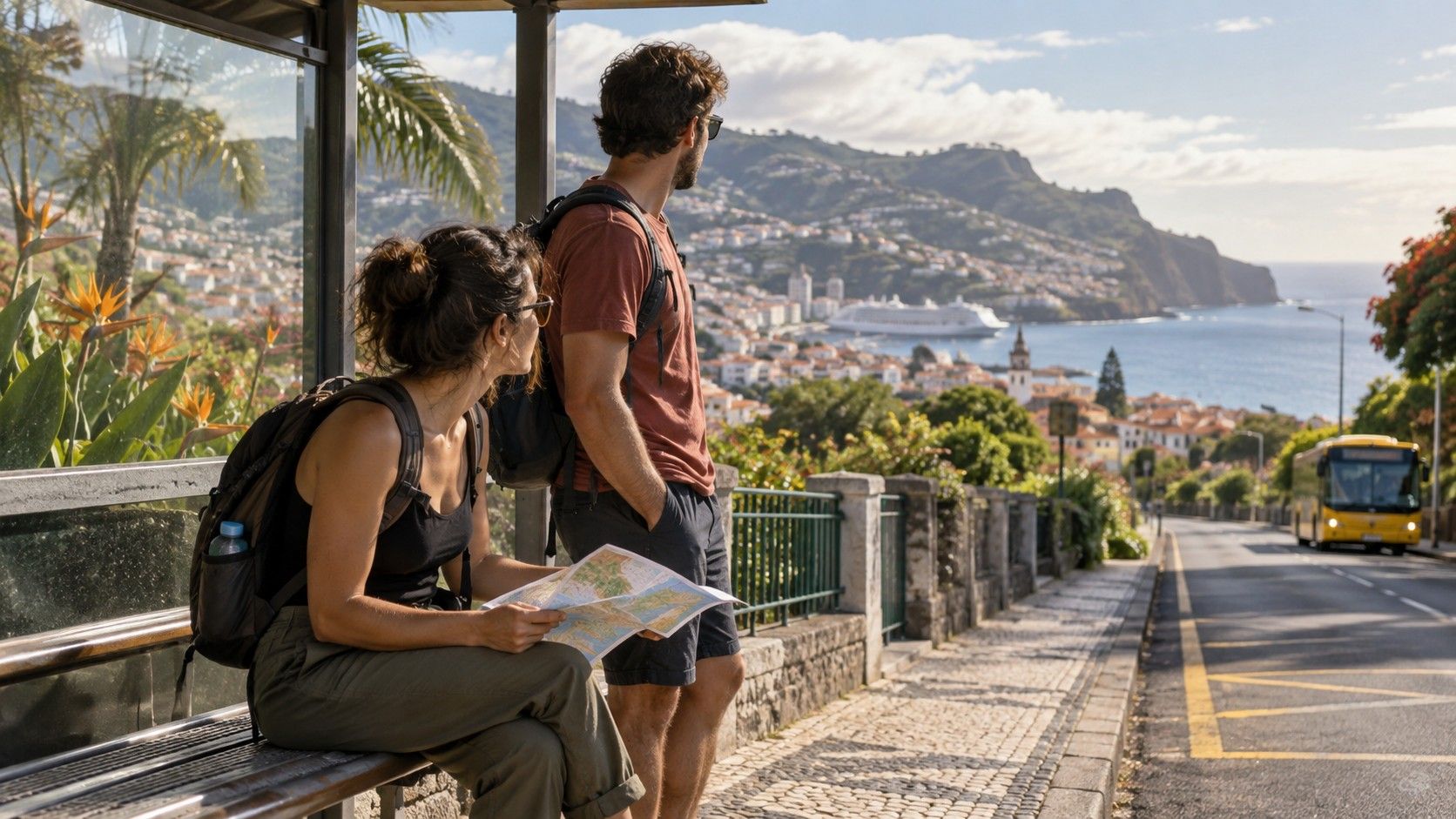
Most frustrating levada days are transport mistakes disguised as hiking mistakes. A linear route requires two vehicles, a booked transfer, or a clear public-transport plan that still works when you finish later than expected. Do not assume a passing bus will solve the final few kilometres. In rural areas, the useful service may be infrequent, and mobile signal can be patchy below the trees.
An out-and-back walk is often the best beginner choice because the return is obvious and the car stays put. It also gives an honest way to adjust the day: walk forty minutes, pause, then decide whether another twenty minutes would still leave a comfortable return. Keep water, a snack, a warm layer, and a paper or saved offline map in the car and in the daypack. Tell one person outside the group which section you intend to walk, especially when separating cars.
| Plan type | Works well when | Main check |
|---|---|---|
| Short out-and-back | You want a low-stress first taste of a levada | Choose a clear turnaround time |
| Longer out-and-back | Everyone is comfortable with several hours walking | Keep enough daylight and energy for the return |
| Point-to-point | A transfer or second car is firmly arranged | Confirm the pickup point and a late-finish fallback |
A calm checklist for the morning
Check the official access information close to departure rather than relying on an old blog post or a hotel conversation. Conditions, maintenance and weather can affect paths, and this is one fact worth treating as current. Then check wind and rain for the route area, not just Funchal. A dry-looking city breakfast can sit beneath cloud and drizzle inland.
Bring water, food, a charged phone, a small light, and a layer that can handle damp air. Start early enough to park without rushing, but do not turn a simple walk into a dawn mission if your group needs coffee and a slow start. At the trail, agree on a turnaround rule: if the path feels narrower, wetter, or more stressful than expected, go back while the decision is still easy. That habit makes easy levada walks Madeira offers feel genuinely welcoming rather than a test of nerve.