Madeira without a car can be a sensible trip, particularly if driving a steep unfamiliar road sounds like work rather than freedom. It becomes frustrating only when a visitor tries to reproduce a rental-car itinerary by bus. Public transport reaches real places, but it follows local rhythms, has fewer useful late returns, and does not solve the point-to-point problem created by many walks.
Use Funchal as the transport hub
Funchal gives a no-car trip its best odds. It has accommodation within reach of food, supermarkets, the waterfront and several transport connections, so a weather change does not strand you in a small village with one closed café. A room near the practical centre matters more than a panoramic room far uphill; check the walk to a stop with luggage in mind, not the straight line on the booking map.
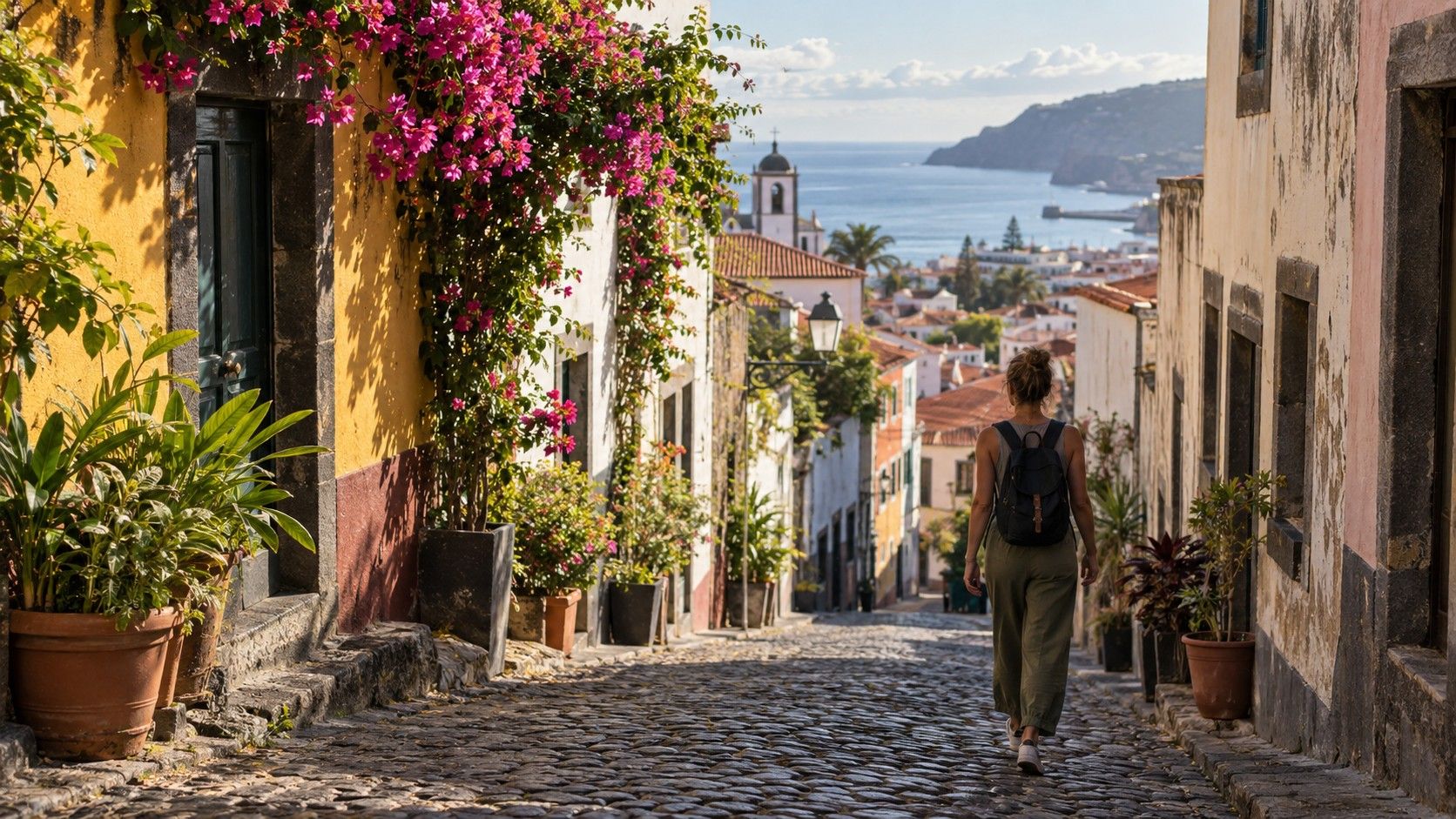
The city also absorbs low-energy days. You can use the old town, gardens, Monte or the harbour without treating transport as a project. That is valuable after a full-day outing, when the last thing anyone wants is another long transfer. Staying in Funchal does not make every attraction close, but it keeps the simplest parts of the holiday simple and leaves energy for the days that deserve planning.
Which trips work by bus
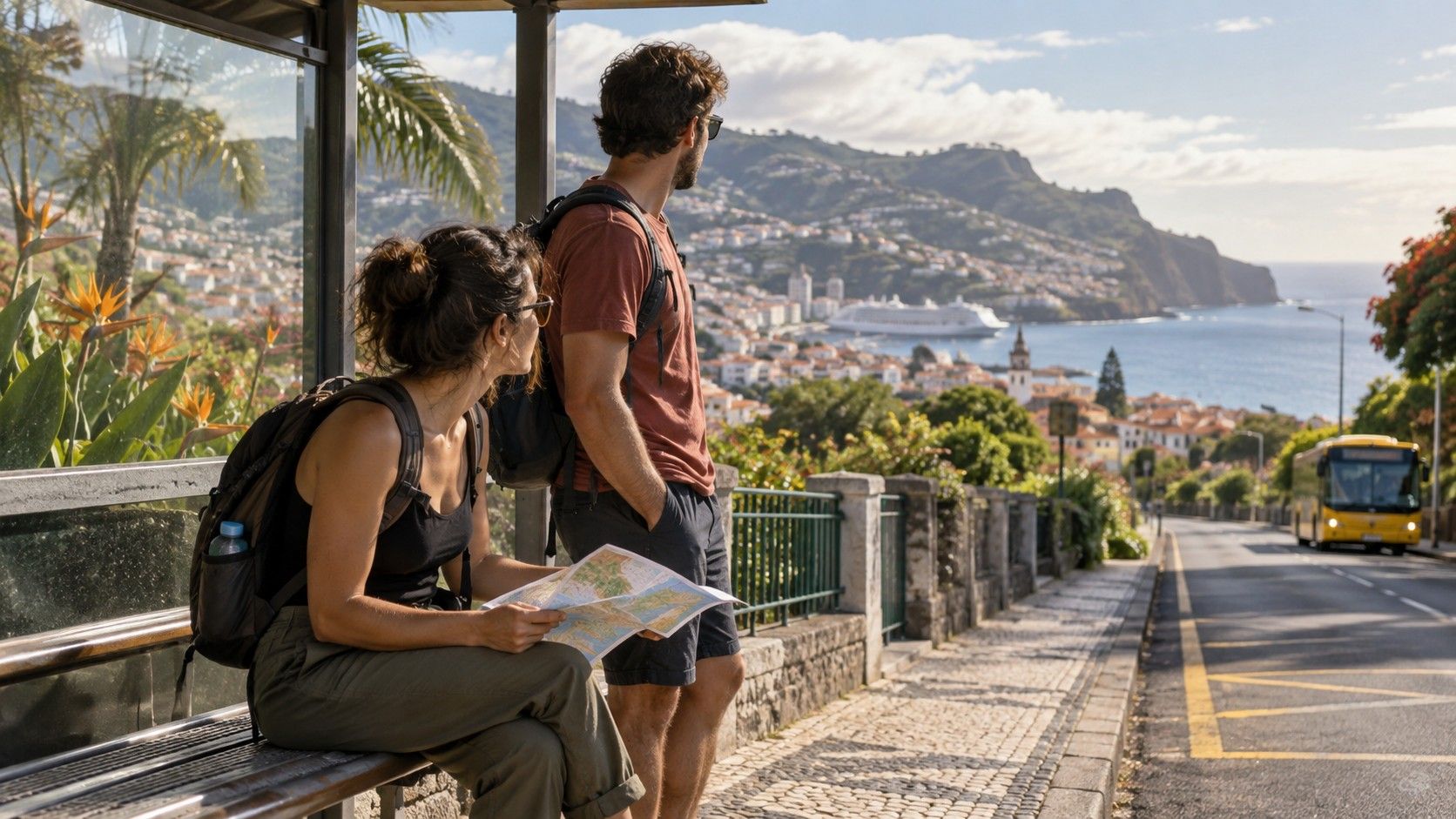
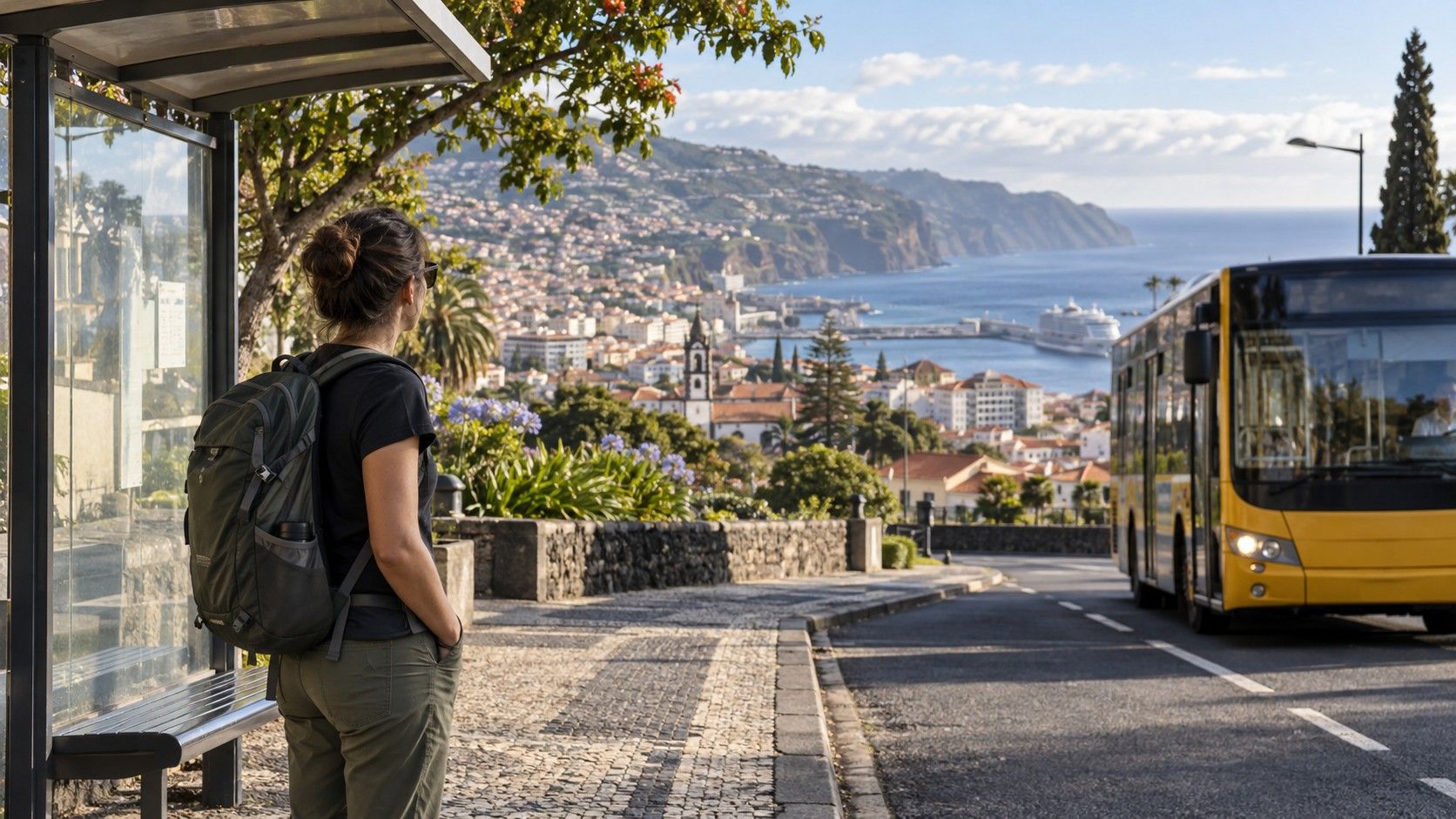
Madeira public transport is most useful when the destination itself is the day. Machico, Santa Cruz, Ribeira Brava and parts of the south coast can work well if you look at the current timetable before committing. SAM buses and Horários do Funchal cover different practical needs, so do not assume a city service continues around the island. Read the departure and return together; a pleasant outbound journey is not much help if the final bus leaves before your lunch arrives.
Porto Moniz by bus is possible in principle but can consume a large slice of the day, particularly if you add stops or weather. A simple rule helps: use buses for towns, beaches and a single coastal destination; do not use them to stitch together three famous viewpoints. The island rewards a slower pace when you have no car. Sitting by Machico’s waterfront for an hour is better than sprinting through a stop simply to keep an unrealistic connection alive.
When a guided day makes sense
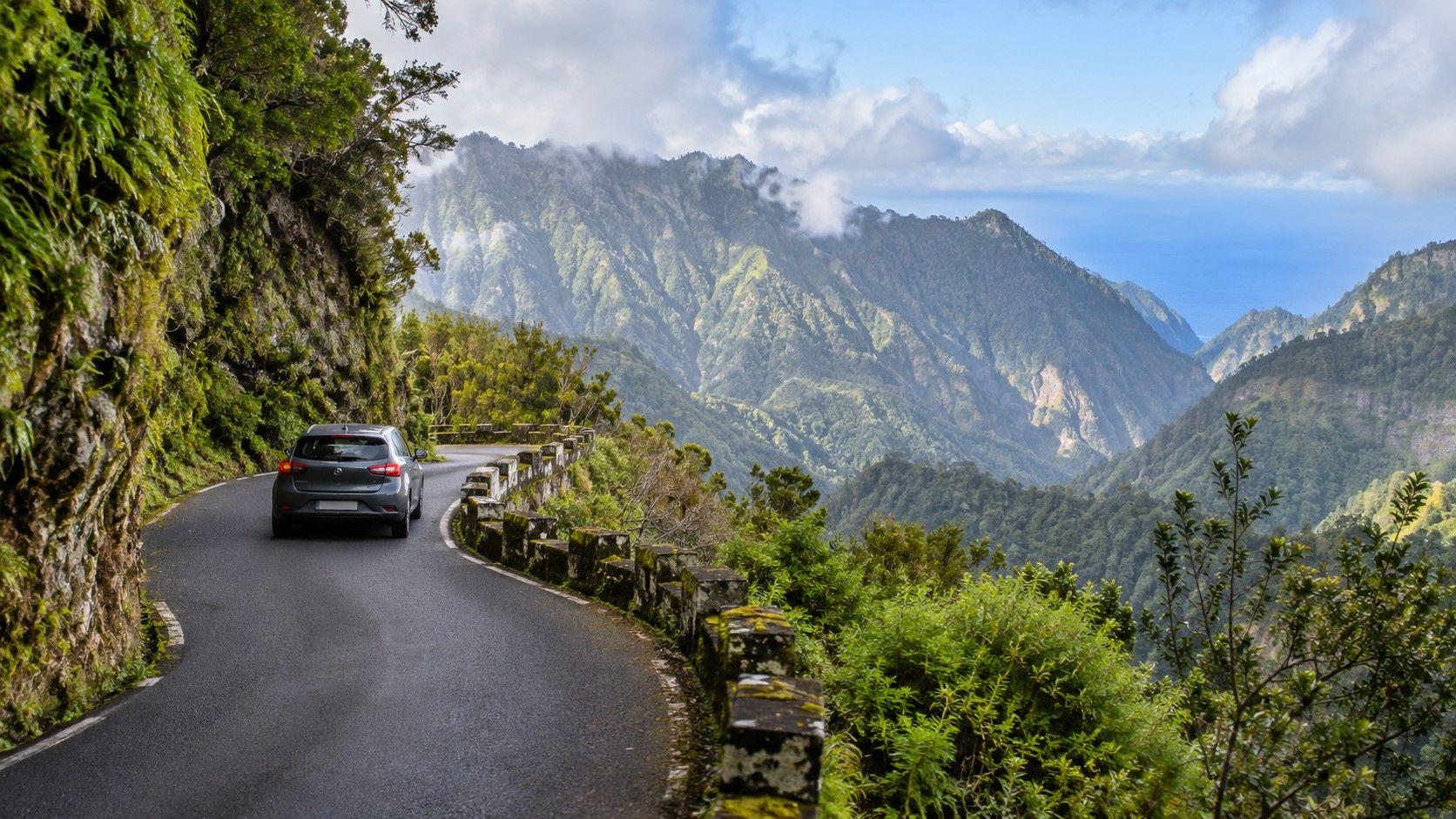
A guided day is practical where the road distance is long, parking is variable, and the places you want to see are scattered. West-coast circuits, mountain viewpoints and routes combining São Vicente with Porto Moniz fit this logic. The value is not a microphone full of facts; it is having someone else manage the timing while you look out of the window. Choose a trip that states its route clearly and leaves enough time at stops to feel less like a moving queue.
Guided outings also protect a short Madeira itinerary from bus arithmetic. They are less useful for Funchal, Monte or a day in Machico, where independence is the point. A good no-car holiday mixes both modes: local days under your own control, and one or two longer days where a shared vehicle is the honest substitute for a rental. Treat the transport choice as a tool, not a badge of travel virtue.
| Plan | Best transport approach | Watch for |
|---|---|---|
| Funchal and Monte | Walk plus local transport | Steep streets on the return |
| Machico or Santa Cruz | Bus as a single-destination day | Return time before an unhurried meal |
| West coast and Porto Moniz | Guided day or a private driver | Trying to combine too many stops |
| Point-to-point hike | Pre-arranged transfer | Assuming a bus meets the trail exit |
The return-trip problem after hikes
Many levada walks begin and end in different places, often away from the transport grid that looks tidy around Funchal. Before setting out, decide how you return: a booked transfer, a taxi arrangement, a guided hike, or a route that genuinely ends near a service. Do this the evening before. Mobile coverage, rain and tired legs are poor ingredients for discovering that the next bus does not run when you thought it did.
A taxi return is useful when two or three people share it, but it needs a precise meeting point and a realistic finish window. Trailhead names can be vague, and a driver cannot collect you from a place you describe only as ‘near the waterfall’. Save the agreed spot, keep the phone charged, and allow for the walk to take longer after wet ground. This is not drama; it is the part that turns a beautiful walk into a relaxed day.
A no-car plan for five days
Start with an arrival evening in Funchal, then keep day two local: Monte, a garden, the waterfront and a sense of the city’s slopes. Use day three for a guided west or mountain circuit according to weather. Day four can be Machico or another eastern coastal destination by bus, with no pressure to add a second town. Keep day five flexible for a guided walk, a south-coast bus day, or a return to Funchal if cloud has changed the island’s priorities.
Getting around Madeira without driving asks you to choose fewer long days, but it gives something back: no hill starts, no parking hunt and no tense descent in rain. The trip fails only when the plan pretends those trade-offs do not exist. Build the days around a reliable base, use buses with modest expectations, and pay for a transfer when it prevents the entire evening becoming a transport puzzle.
Leave a little financial and time margin for the moments when the plan bends. A late bus, a change in mountain weather or a walk that takes longer than expected does not need to spoil the day if a taxi is an acceptable fallback rather than a crisis. Carry water and a layer for longer bus journeys, and avoid an accommodation so remote that every adjustment involves two connections. Madeira without a car is easiest when transport supports the holiday rather than becoming its main subject.
Keep a screenshot or note of the important return details, since service information can be awkward to retrieve when reception drops out. This small habit is more useful than trying to memorise every stop. It gives you a calm way to adjust when the bus arrives later than expected and keeps an ordinary delay from deciding the mood of the day.