Where to stay in Madeira is less a hotel question than a question about the hours before breakfast and after dinner. A beautiful room above a quiet coast can be exactly right for someone with a car and exactly wrong for a visitor who expects to walk to supper, catch a bus, or change plans when the mountains close in. Pick a base for your real rhythm, not the postcard outside it.
What a Funchal base makes easy
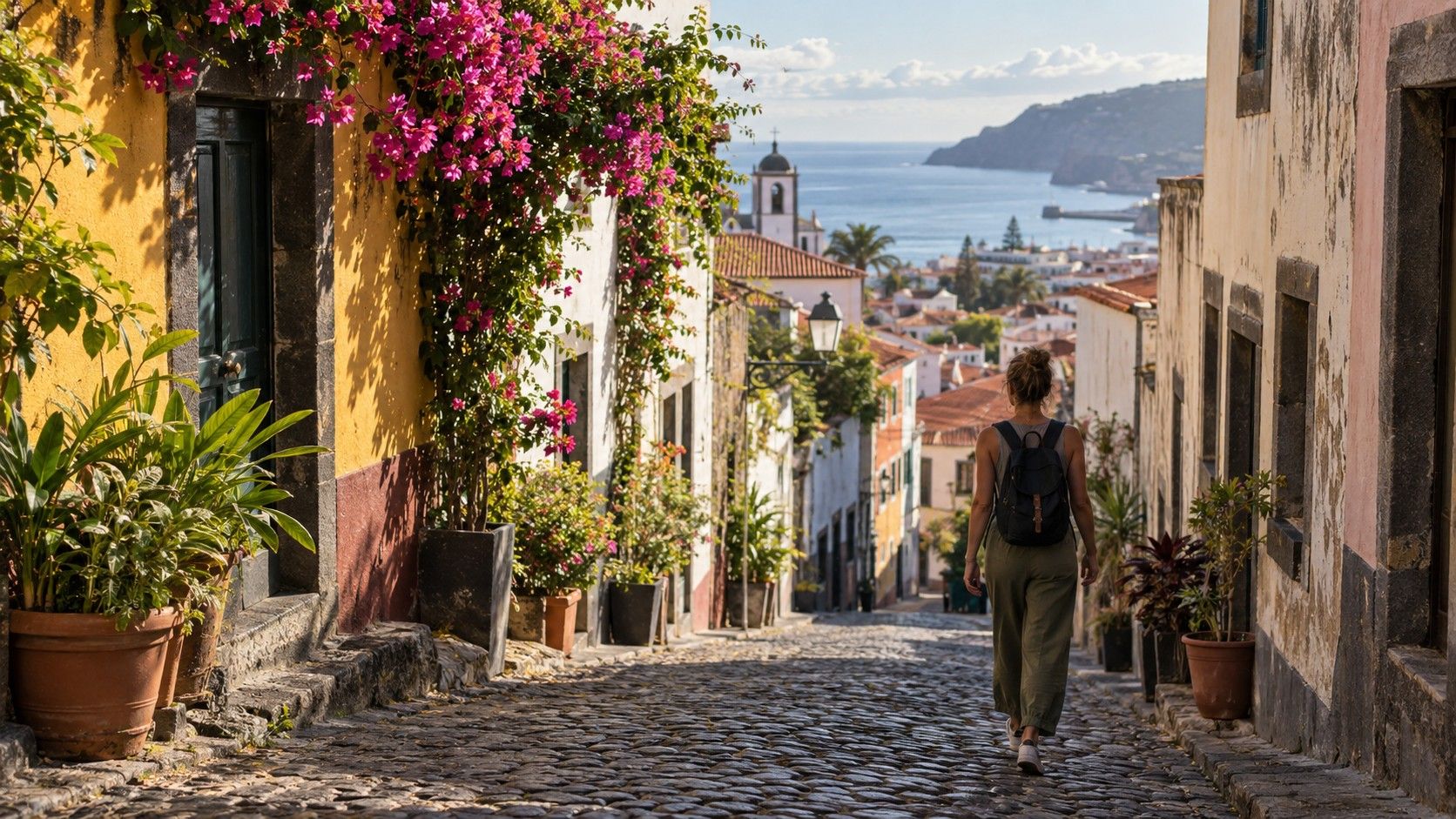
Funchal is the forgiving choice for a first visit. You can arrive late, find food without a steering-wheel debate, walk along the harbour, use city buses, and keep a rainy afternoon from feeling wasted. The older streets have noise and slopes, while the hotel areas farther west feel more spread out, so check the exact walk rather than trusting a map pin labelled central. A ten-minute downhill walk becomes a different proposition on the way home.
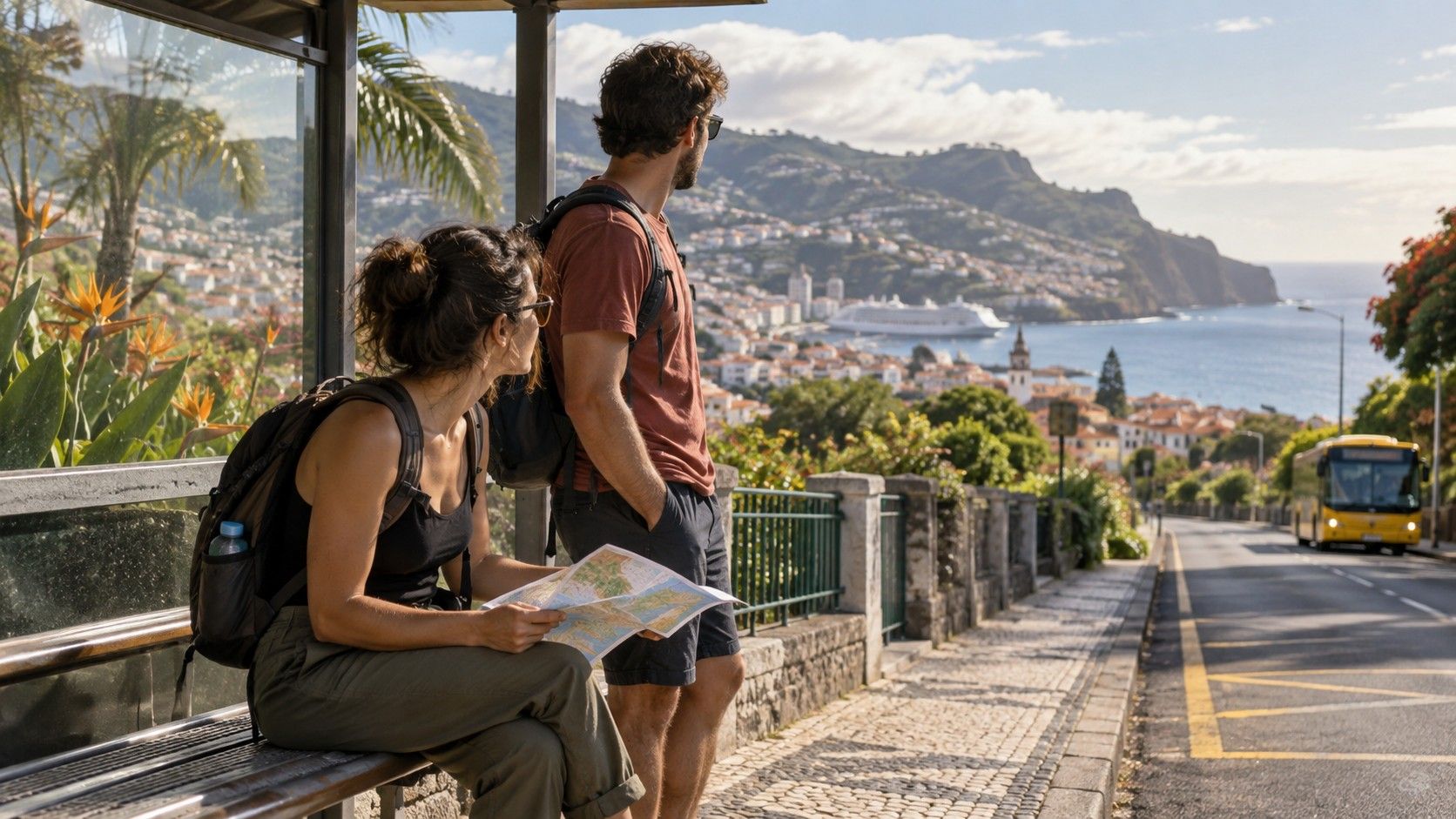
Funchal also works well without a car. Day tours commonly start nearby, transport connections are simpler, and a taxi return after a walk is less of a logistical drama. Its limitation is the opposite of its strength: after two evenings, some people feel they are staying in a city while looking at an island. If your priority is morning silence and a view from a terrace, move outward rather than forcing Funchal to play a village.
When the sunny southwest is worth it
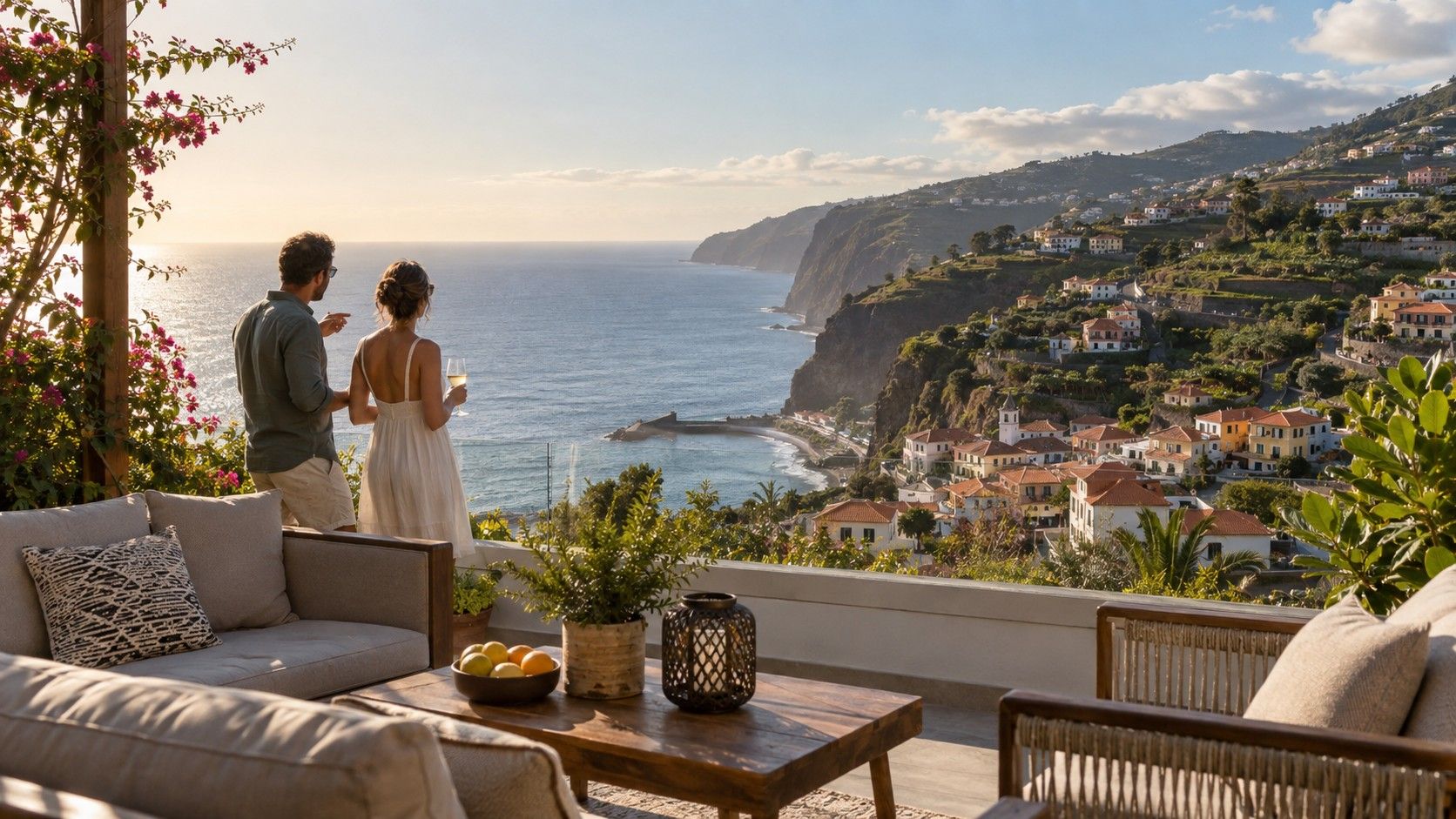
Calheta and Ponta do Sol suit travelers who want a slower south-coast base, dependable access to the brighter side of the island, and an unhurried place to return after a drive. Ponta do Sol has a compact old centre and a steep setting; Calheta is more practical for parking and has a broader resort feel. Neither should be chosen solely because someone called it sunny. Microclimates help, but they do not turn a winter week into a guarantee.
With a car, the southwest makes a good compromise between Funchal and the west. You can head toward Paul da Serra, reach the coast around Jardim do Mar, or turn east without passing through central Funchal every time. The trade-off is evening choice. A quiet coast means fewer casual restaurants within a short walk, and winding access roads can make a simple dinner feel like another route plan. That is pleasant for some people and tiresome for others.
East coast and mountain bases ask for a different trip
Machico works for early airport convenience, beach time and an eastern itinerary. It feels more local and less polished than Funchal, with a flatter waterfront and a useful sense of space after the flight. It is not the most central answer for a whole-island driving holiday, though; repeated west-coast days add distance even when the road network looks efficient. Choose it because you want the east, not because it is close to the runway.
Santana and higher inland villages fit walkers who value cool evenings, early access to levadas and a quieter landscape. They are poor bases for people who want a different restaurant each night or who dislike driving in cloud. A mountain stay can turn a trail day into a calm morning ritual, yet it can also leave you above the cloud line with wind against the windows while the south coast is clear. For a short stay, that risk deserves respect.
| Travel style | Base that usually fits | Check before booking |
|---|---|---|
| No car, first visit | Funchal | Actual walking distance to food and bus stops |
| Car, slow coast evenings | Ponta do Sol or Calheta | Parking at the accommodation and road access |
| Airport and east coast focus | Machico | Whether west-coast days matter to you |
| Walking-led trip | Santana or an inland base | Cloud exposure and evening isolation |
How driving changes the choice
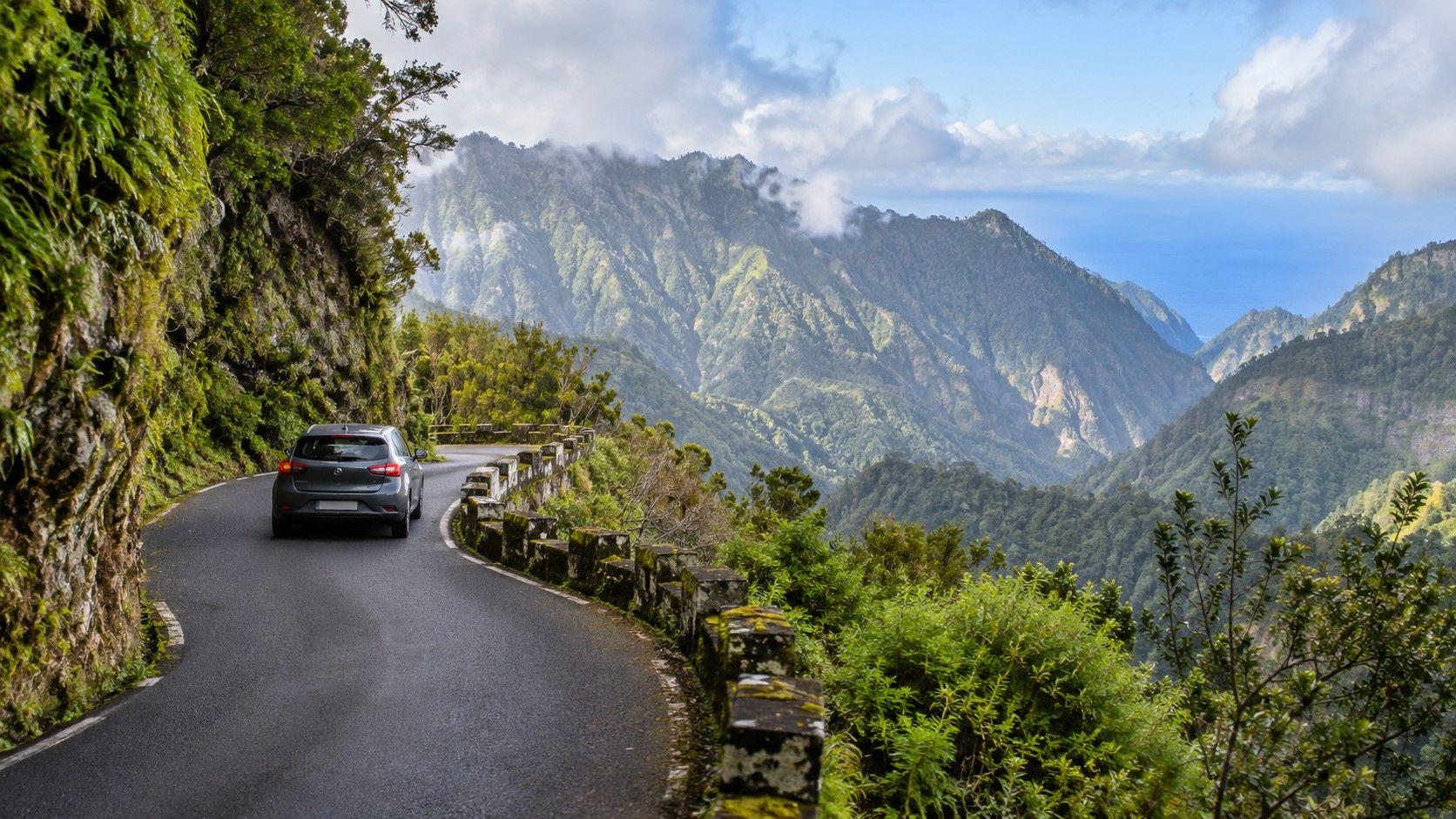
Driving makes the best area to stay in Madeira more flexible, but it also makes parking part of the accommodation. Ask whether the space is on site, whether the approach is narrow, and whether arriving after dark will involve a steep lane. In Funchal, a room with a view may sit above a road where returning from dinner requires a hill start. On the coast, a house can be peaceful until you realise every errand begins with several bends.
Do not chase a perfectly central point; Madeira has none in the way a flat mainland city does. Instead, decide which direction you would rather drive first. Funchal keeps you near services and the southeast. Calheta gives the west and south a head start. A north-coast base gives immediate drama but makes late returns more demanding. The better choice is the one that makes your least favourite drive happen less often.
Picking one base for a short stay
For three or four nights, changing hotels usually creates more friction than value. Funchal or the southwest are the safest single-base choices, depending on whether you care more about walkability or a coastal reset. Use day trips to sample the north and east. You will see less, but you will see it without arriving at every stop already tired from packing and checking the next route.
Funchal or Calheta is a useful comparison only after you name the person making it. Choose Funchal for buses, restaurants, arrival ease and city energy. Choose Calheta for a car-based week, a quieter evening and a south-western weather preference. Neither is a universal winner; the wrong base is the one chosen for an imagined holiday that bears little resemblance to the days you actually enjoy.
Before confirming a room, picture three unglamorous moments: collecting bags after a late flight, returning wet from a walk, and deciding where dinner happens when you are tired. Those moments reveal more about a base than a carefully framed balcony. A map view should include the access road, nearby shops and the distance uphill, while accommodation details should be read for practical facts rather than rankings. The island is more enjoyable when your base removes small daily negotiations instead of creating them.
If you split the stay, make the move serve a genuine change in travel style: several city evenings followed by quiet coastal mornings, for example. Do not move merely to collect another view from the room. One well-chosen base is usually more valuable than a sequence of check-ins, especially when weather makes the day’s direction uncertain.